Financial Instrument Expertise



Why Choose Us?
Our comprehensive approach to financial instruments and funding solutions ensures that our clients receive the most reliable and efficient services. We are here to support your financial goals, whether you are looking to monetize financial instruments or participate in secure investment programs such as PPP or Managed Bank Guarantees.
Trust Ice Invest Capital Trading for tailored financial solutions and expertise that drive success.

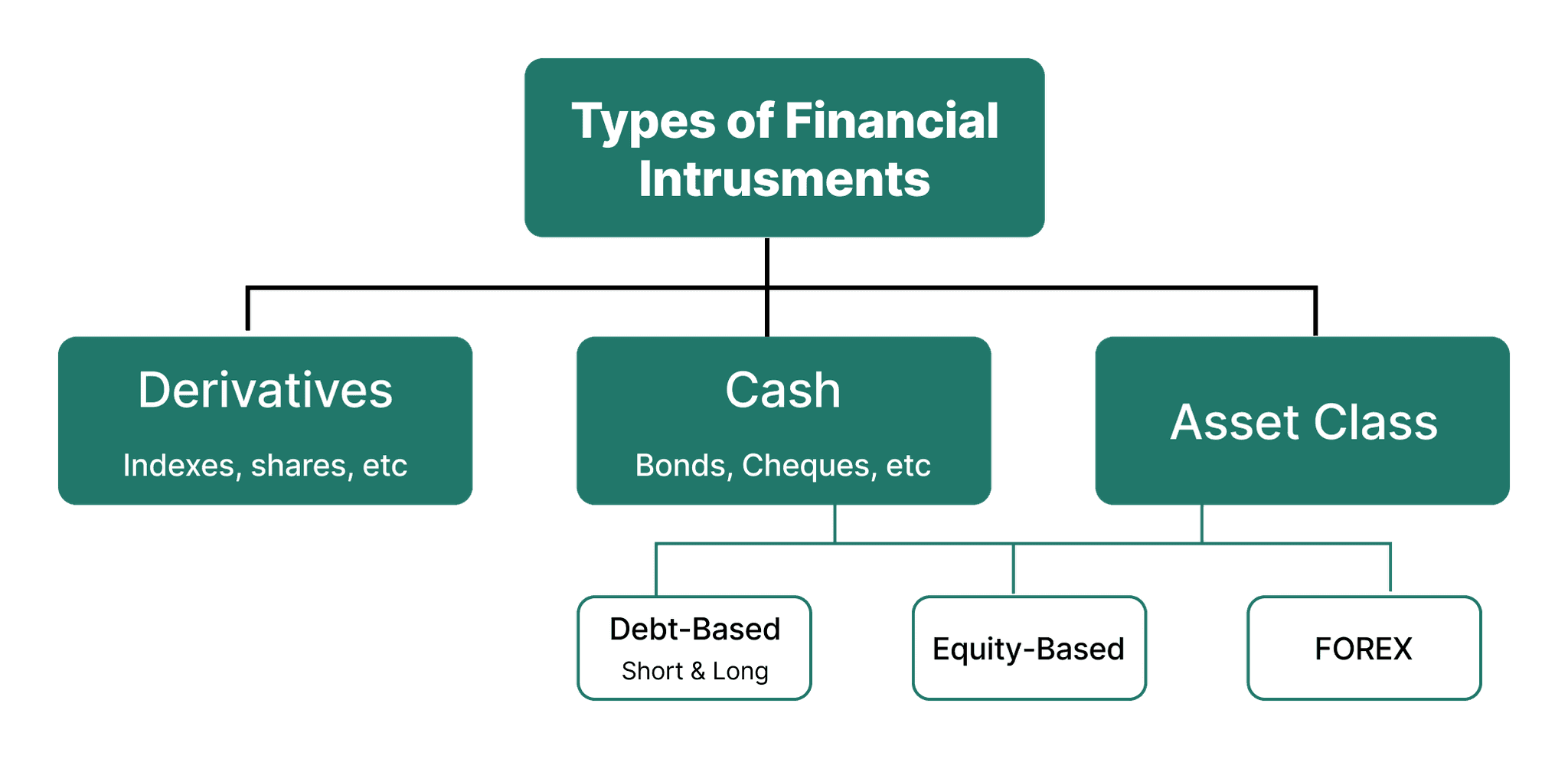
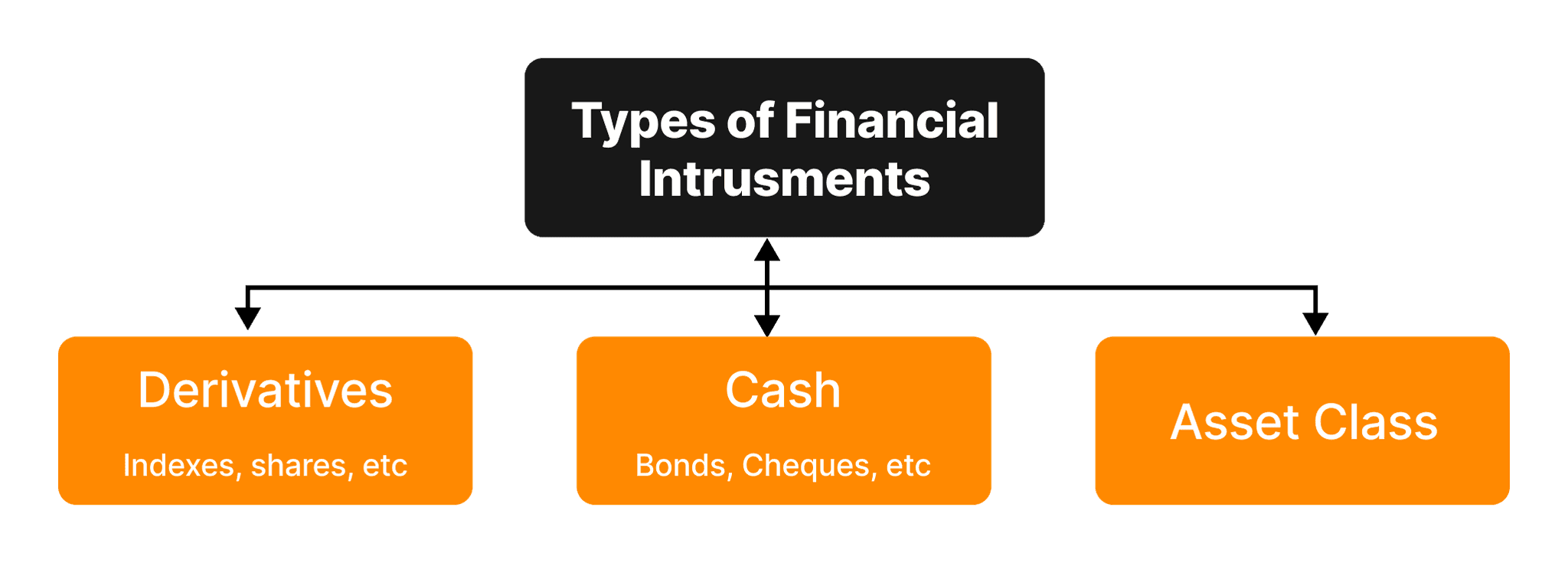
A Financial Instrument is essentially a monetary contract between two or more parties. It represents an asset or capital that can be traded, settled, or modified based on agreed terms. Financial instruments serve as evidence of ownership, debt, or the right to future payments. They are the backbone of financial transactions across industries, enabling the movement of capital and facilitating trade.
1. Ownership Instruments: These include stocks and shares, which signify ownership in a company. They provide the holder with rights to a portion of the company’s profits and assets.
Debt Instruments: These represent a contractual right to receive cash or assets. Common examples include:
Bonds
Promissory Notes (PN)
Bank Guarantees (BG)
Standby Letters of Credit (SBLC)
Letters of Credit (LC)
Mid-Term Notes (MTN)
Long-Term Notes (LTN)
Short-Term Notes (STN)
3. Derivatives: These are contracts based on the value of underlying assets, such as:
Futures
Options
4. Exchange Instruments: Items like checks (cheques) and bills of exchange are used to facilitate the transfer of funds between parties.
Securities as Financial Instruments
Securities are a special category of financial instruments, representing ownership or debt that can be assigned a value and traded. These include stocks, bonds, and other tradable assets that can be bought, sold, or traded on financial markets.

Simplified Definition
In essence, a financial instrument is an asset or package of capital that can be traded or settled, forming the basis for various financial transactions. It plays a crucial role in modern economics, allowing the flow of money and resources across sectors.
At Ice Invest Capital Trading, we specialize in offering and handling a wide array of financial instruments, ensuring that your financial needs are met with expert knowledge and reliability

Bonds
: Debt securities where an investor lends money to an issuer, receiving regular interest payments and the return of the principal upon maturity.

Stocks
Shares representing ownership in a company, giving holders rights to dividends and participation in decision-making
Loans and Deposits
Financial contracts involving the lending of money or depositing it with an institution, earning interest
Cash instruments are easy to value, as they are traded in liquid markets with transparent pricing mechanisms.
Derivative Instruments are financial contracts whose value is derived from the value and characteristics of one or more underlying assets or entities. These underlying entities can include assets, interest rates, or indexes.
The value of a derivative is dependent on the underlying asset, such as commodities, stocks, bonds, or currencies.
Derivatives are used for hedging risks or speculative purposes, providing protection against market volatility or allowing traders to profit from price movements.
Futures Contracts
Agreements to buy or sell an asset at a predetermined price on a future date.
Options Contracts
Contracts giving the holder the right, but not the obligation, to buy or sell an asset at a specified price before or at expiration.
Swaps
Contracts in which two parties exchange the cash flows or value of one asset for another

Conclusion
Understanding the distinction between cash instruments and derivative instruments is essential in navigating modern financial markets. Cash instruments are ideal for investors looking for straightforward investments with easily ascertainable values, while derivatives provide sophisticated tools for hedging and speculative strategies.
At Ice Invest Capital Trading, we manage both types of financial instruments, offering tailored strategies that align with your risk profile and financial goals. Whether you're seeking security with cash instruments or pursuing growth opportunities with derivatives, we have the expertise to guide you.
Contact Us
With 33 Years of Finance and Banking Industry Experience, Ice Invest Capital Trading Executive Team understands the Banking Industry from the Inside, because members of our Executive worked in the Financial Instruments Department of a World Top 25 Bank. We can Achieve Results others can't because we understand from the Inside, what it takes to close a deal from the Outside!
FAQs
Can I just complete the Managed SBLC Program and use my own Escrow or Independent Trustee?
No. The Independent Trustee we utilize is a seasoned expert in the Financial Instruments industry with a proven track record of successful transactions alongside the SBLC Issuer and SBLC Funder. This Trustee’s deep understanding of the financial instruments market allows them to swiftly address and resolve any issues or, if necessary, facilitate a refund of your deposit. This level of expertise and trust cannot be guaranteed with other trustees or escrow services.